Knee pain is one of the most common reasons patients visit an orthopaedic surgeon in Bangalore. It affects people of all ages — from young athletes with sports injuries to older adults with arthritis. The key to effective treatment is accurate diagnosis of the underlying cause.
Dr. Chetan M. Dojode FRCS (Trauma & Orthopaedics) UK — with 21+ years of experience and 11+ years of NHS UK practice — provides comprehensive knee pain assessment and treatment at Sparsh Hospital Yelahanka and OSR — OrthoSportsRobotics Clinic / Aarna Clinic, Sahakar Nagar.
Short answer
Most knee pain has a cause that can be found with a careful examination, and many knees improve with exercise, physiotherapy, weight management where appropriate and pain relief before any injection or operation is discussed. NHS guidance says to see a doctor if knee pain does not improve within a few weeks, and to get urgent medical advice if the knee is very painful, badly swollen, has changed shape, locks or gives way, you cannot put weight on it, or you have a fever with a red, hot knee. Surgery is considered only when non-surgical treatment has been tried properly and symptoms still substantially affect daily life.
Common Causes of Knee Pain
Wear and tear of knee cartilage — most common in adults over 50
Ligament injuries from sports — cause instability and pain
Torn cartilage disc — causes pain, locking and swelling
Kneecap pain, chondromalacia, patellar instability
Inflammation around the knee — often activity-related
Crystal or immune-mediated joint inflammation
Treatment — Non-Surgical First
At OrthoSportsRobotics, surgery is never the first answer. Dr. Chetan M. Dojode explores all non-surgical options before considering any procedure.
- ✓Physiotherapy and muscle strengthening
- ✓PRP (Platelet-Rich Plasma) injections
- ✓Hyaluronic acid viscosupplementation
- ✓Activity modification and weight management
- ✓Knee bracing and orthotic support
- ✓Corticosteroid injections (short-term relief)
When to Seek Urgent Medical Care
See a doctor the same day, or go to an emergency department, if you have:
- A hot, red, very swollen knee, especially with fever or feeling unwell
- Sudden severe pain after a fall or injury, or a knee that looks out of shape
- Inability to put any weight on the leg
- A locked knee that will not straighten fully
- Pain, swelling or redness in the calf, or breathlessness
These can point to infection, a fracture or a blood clot, and should not wait for a routine appointment.
How the Cause of Knee Pain Is Found
A careful history and examination come first: where it hurts, when, what makes it better or worse, any injury, and any swelling, locking or giving way. Tests are added only when they will help.
- X-ray: shows arthritis, alignment and bone problems
- MRI: used when a ligament, meniscus or cartilage injury is suspected. It is not needed for every painful knee
- Blood tests: if gout or an inflammatory arthritis is suspected
- Joint fluid tests or injections: occasionally, in selected cases
Knee Pain in Everyday Situations
Where and when the knee hurts can give clues, although only an examination can confirm the cause:
- On stairs or getting up from a chair: often related to the kneecap joint or early arthritis
- At night or at rest: can occur with arthritis; see a doctor promptly if it is new and severe, or comes with fever or unexplained weight loss
- Squatting or sitting cross-legged: deep bending puts the most load through the joint, so pain here may relate to cartilage, the meniscus or arthritis. This is common in Indian daily life
- After running or sport: may be an overuse problem of the tendons or kneecap, or a ligament or meniscus injury
- At the front of the knee: kneecap-related pain is common in younger people and runners
- On the inner or outer side: may involve the meniscus, a ligament or arthritis in that part of the knee
What a First Consultation Involves
At a first visit, Dr Chetan M Dojode takes your history, examines the knee, reviews any X-rays or MRI you bring, and explains the likely cause and your options, starting with non-surgical treatment where appropriate. Please bring previous scans, reports and a list of your medicines.
Keep Reading
- Why does my knee hurt? — how the location and type of pain point to the cause.
- Knee arthroscopy or knee replacement? — which operation, if any, suits your knee.
- Joint preservation knee care — protecting your own knee before replacement is needed.
- Sports injury specialist in Bangalore — knee injuries in athletes and active adults.
- Robotic knee replacement in Bangalore — for advanced arthritis that has not responded to other treatment.
Frequently Asked Questions
What causes knee pain in young adults?
In young adults, knee pain is most commonly caused by sports injuries — ACL tears, meniscal tears, patellar instability, and cartilage injuries. Overuse conditions like IT band syndrome and patellar tendinitis are also common. Dr. Chetan M. Dojode FRCS provides specialist assessment and sports-focused treatment.
When should I see a doctor for knee pain?
See a specialist if knee pain is persistent for more than 2 weeks, is severe, is associated with swelling, locking, instability or giving way, or is preventing normal daily activities or sport. Early assessment helps identify the cause and plan treatment.
Can knee pain be treated without surgery?
Yes, in many cases. NICE and NHS guidance puts exercise and physiotherapy, weight management where appropriate, and pain relief first, and other options such as injections or braces are individual decisions made after an examination, with evidence that is stronger for some than for others. Surgery is considered only when non-surgical treatment has been tried properly and symptoms still substantially affect daily life.
What is PRP injection for knee pain?
For some patients with symptomatic knee osteoarthritis, PRP may reduce pain and improve function. The AAOS guideline rates the evidence as limited. For appropriately selected patients, it can help improve symptoms, but response varies and PRP should not be described as regenerating cartilage or preventing replacement.
Where can I get knee pain treatment in Yelahanka?
Dr. Chetan M. Dojode FRCS sees knee pain patients at Sparsh Hospital Yelahanka, New Airport Road, Bengaluru 560064. Call +91 94809 09009 or WhatsApp for appointments.
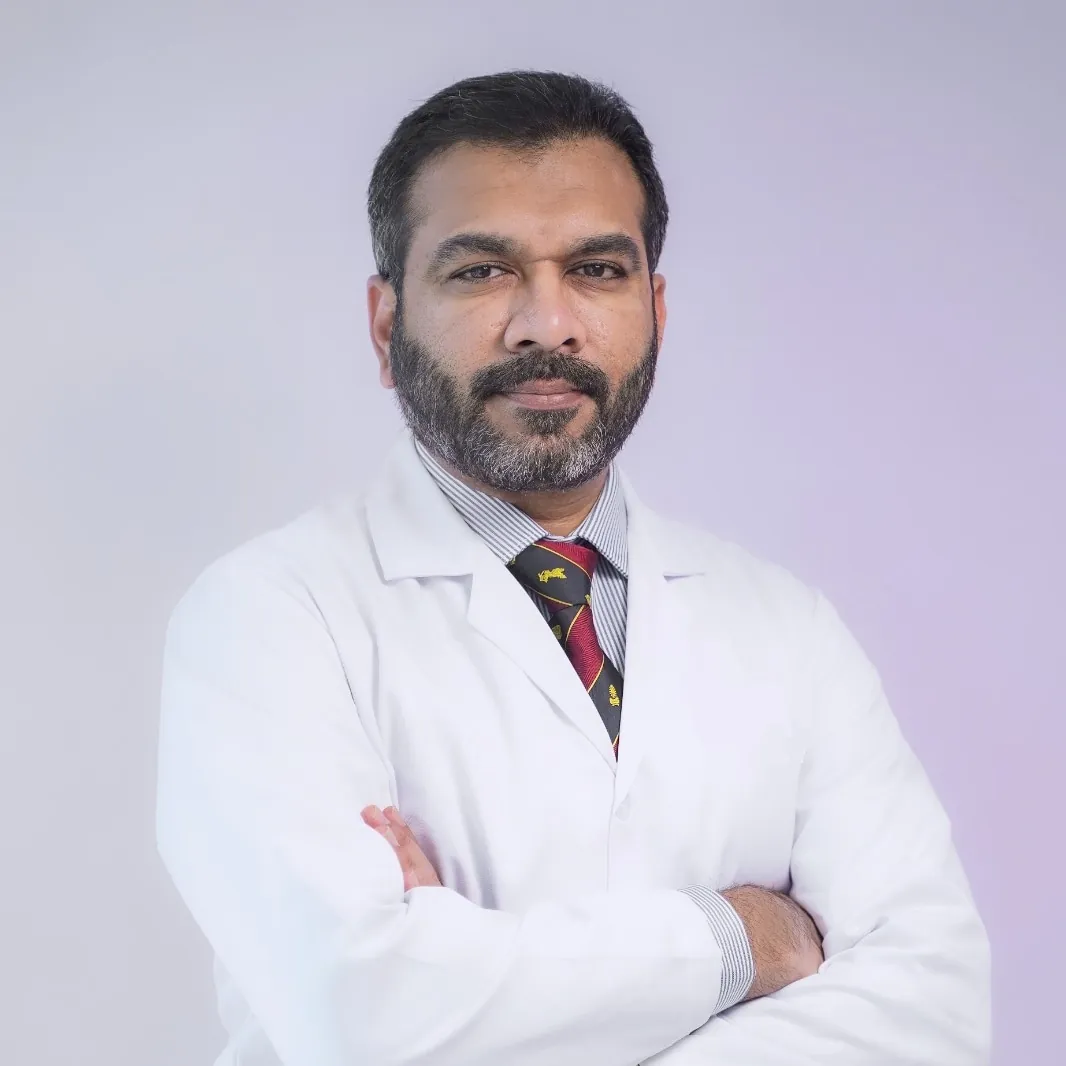
Dr. Chetan M. Dojode
FRCS (Tr&Orth) UK · FEBOT
GMC Specialist Register
Clinic Locations
OSR — OrthoSportsRobotics Clinic / Aarna Clinic, Sahakar Nagar
1182/1, 20th Main Road, A Block,
Bengaluru 560092