Robotic Knee Replacement
CT-based planning and robotic guidance for more accurate alignment, balanced soft tissue handling and a smoother rehabilitation journey.
Learn moreBengaluru's Centre of Excellence
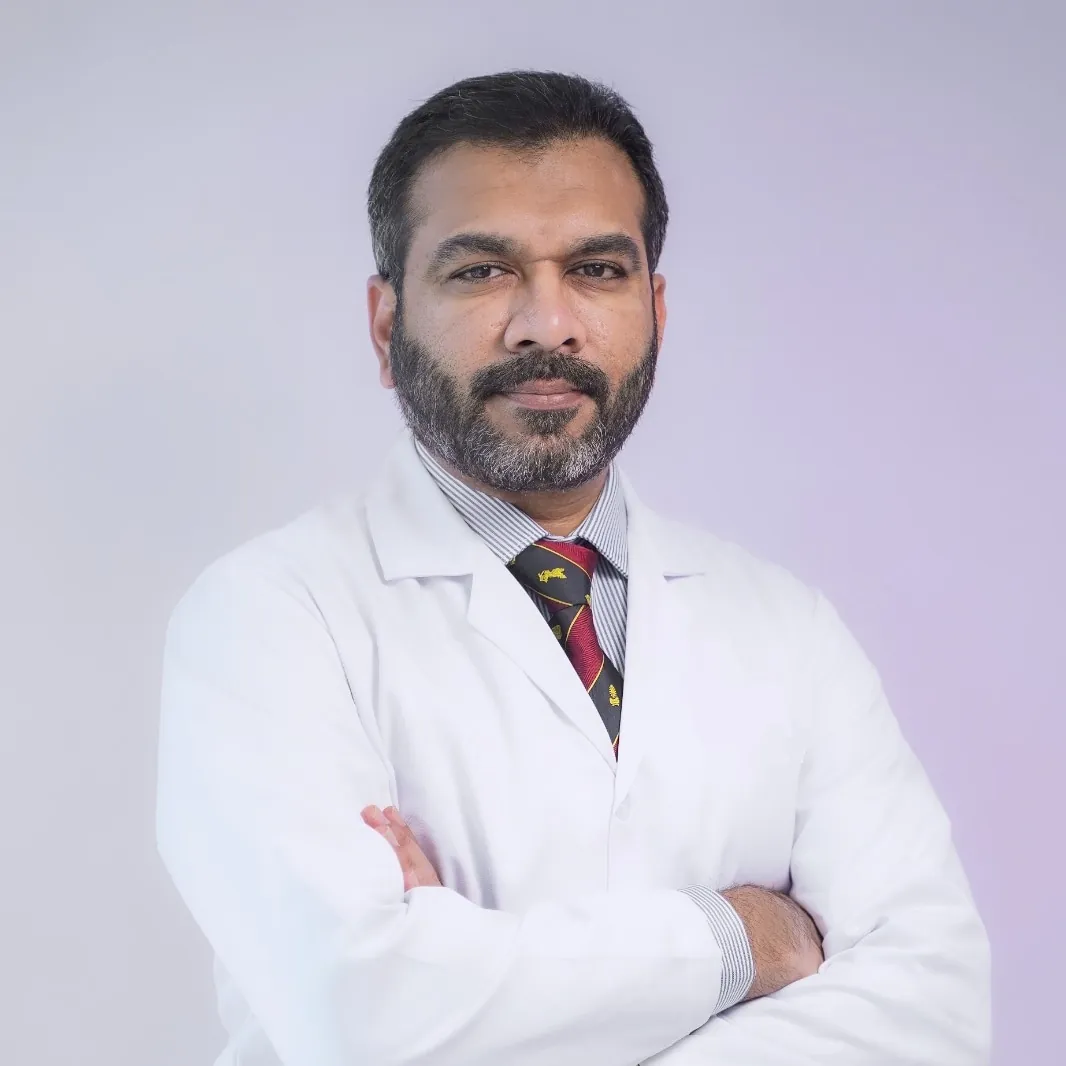
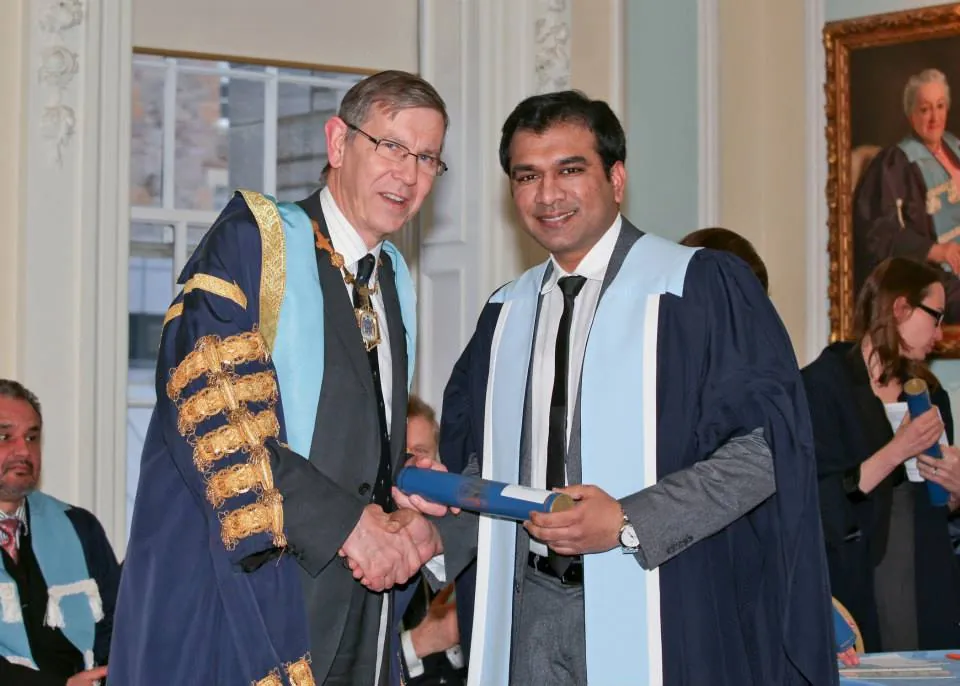
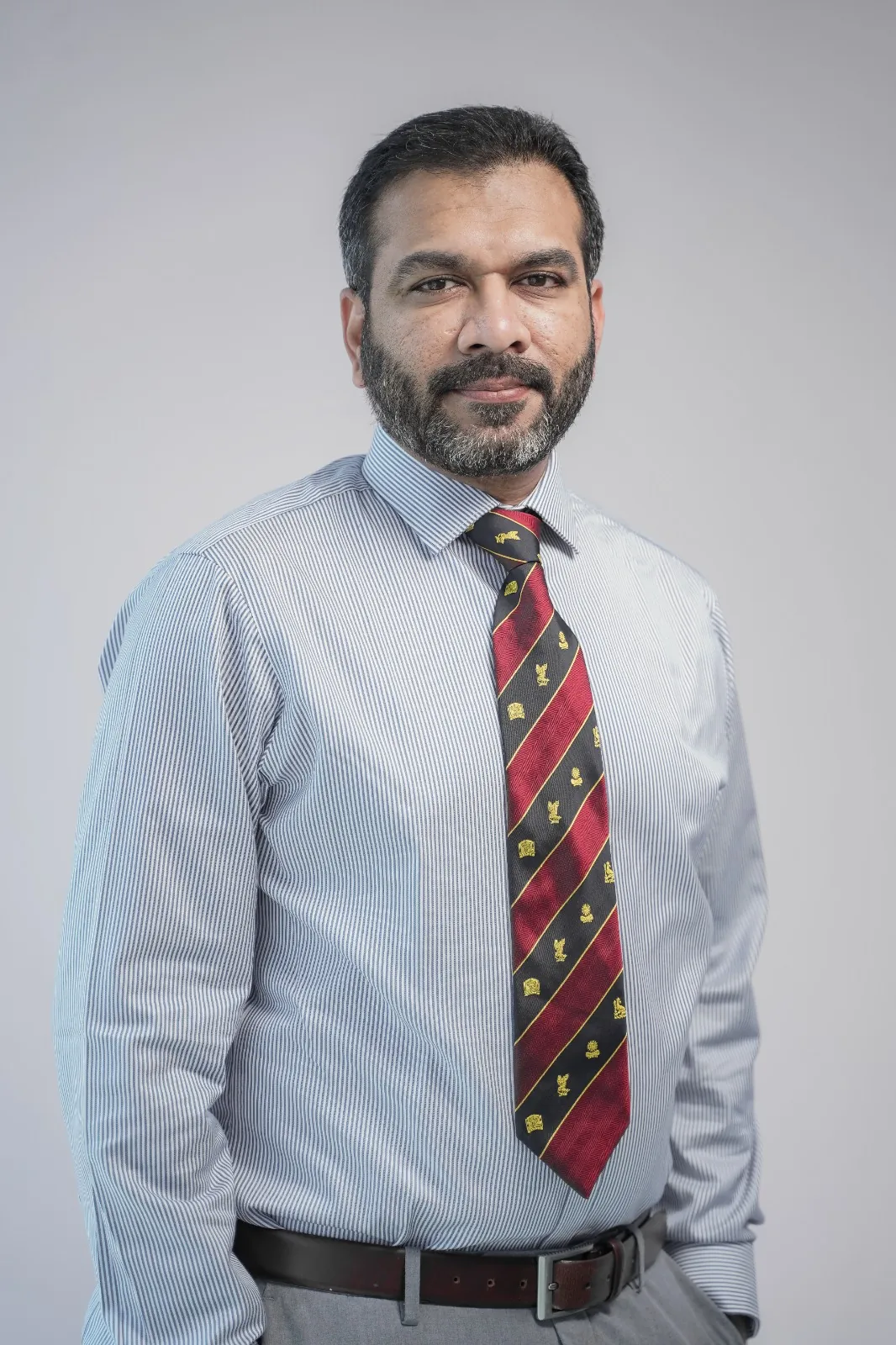
Dr. Chetan M. Dojode
FRCS (Orth, UK) · FEBOT (Euro) · MRCS (UK) · MCh (Orth, UK) · MS (Orth) · MBBS
Joint Replacement | Sports Orthopaedics | Arthroscopy | Joint Preservation
UK-trained FRCS Orthopaedic Surgeon with 21+ years of experience and 11+ years NHS UK practice — bringing international expertise and robotic precision to Bengaluru.
Core Clinical Philosophy
Not every painful joint requires replacement. This principle guides every consultation at OrthoSportsRobotics.

About Dr. Chetan M. Dojode
Dr. Chetan M. Dojode is a UK-trained Consultant Orthopaedic Surgeon with over 21 years of experience, including more than 11 years of NHS clinical practice in the United Kingdom. He combines international surgical training with robotic precision technology to deliver super-specialist, evidence-based orthopaedic care in Bengaluru.
His training began with an MBBS at Mysore Medical College and MS (Orthopaedics) at JNMC, followed by advanced surgical training in the UK — the MRCS, MCh (Trauma & Orthopaedics), and FRCS (Trauma & Orthopaedics) from the Royal College of Surgeons of Edinburgh. He went on to complete sub-specialty fellowships in Arthroplasty & Revision Surgery and in Shoulder & Knee Surgery, and holds the FEBOT from the European Board with GMC Specialist Register status via CESR.
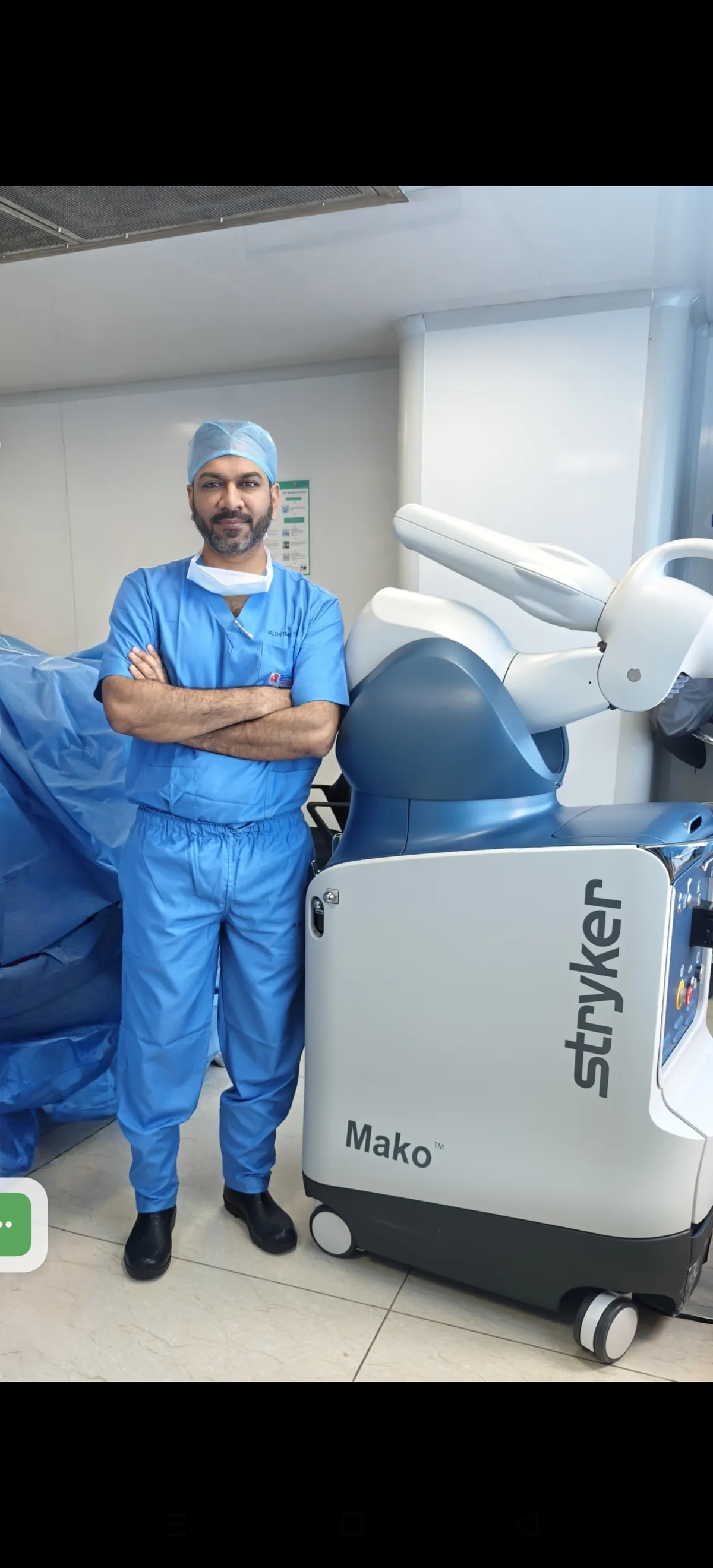
Across his NHS years, Dr. Chetan worked in major trauma centres, specialist orthopaedic units, and district general hospitals. He is dual robotic-surgery certified — MAKO (Stryker) and Smith & Nephew — bringing image-guided robotic arthroplasty to his practice in Bengaluru.
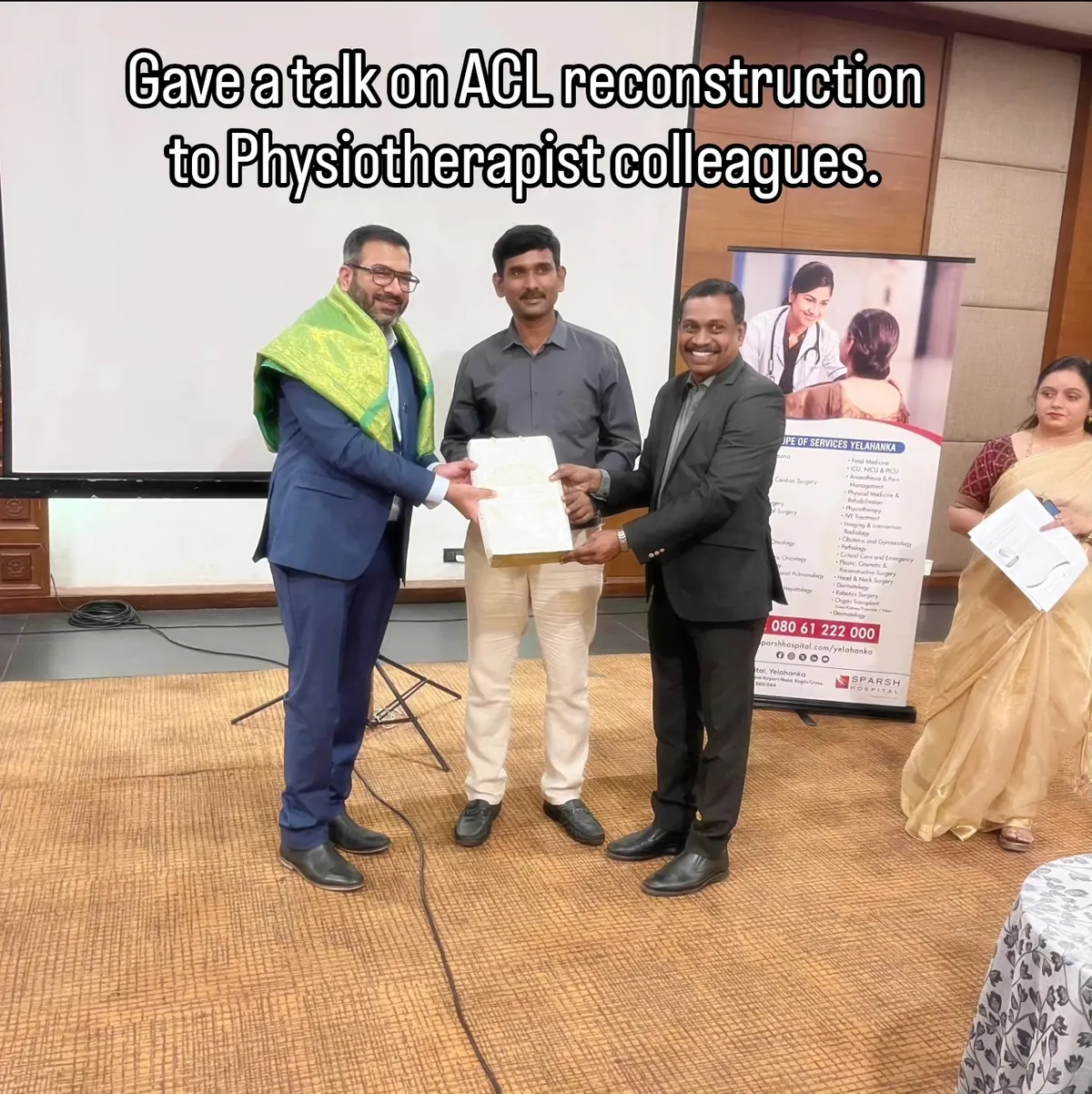
He has contributed to peer-reviewed research published in The Lancet, BMJ journals, Bone & Joint Research, the Journal of ISAKOS, and The Foot. He has also authored a book chapter, served as an FRCS faculty trainer, and has experience treating Sports Authority of India athletes.
Specialist Orthopaedic Services
From robotic joint replacement to arthroscopy and joint preservation, Dr. Chetan M. Dojode offers evidence-led treatment pathways for patients seeking expert care in Bengaluru.
CT-based planning and robotic guidance for more accurate alignment, balanced soft tissue handling and a smoother rehabilitation journey.
Learn moreAdvanced care for osteoarthritis, AVN and joint preservation, including robotic hip replacement where appropriate.
See optionsArthroscopic management for ACL tears, meniscus injuries, cartilage damage and return-to-sport rehabilitation.
Explore treatmentComprehensive treatment for rotator cuff tears, instability, frozen shoulder and early joint degeneration.
View servicesLooking for an orthopaedic surgeon in Bangalore, Yelahanka or Sahakar Nagar? Book a consultation with a UK-trained specialist.
As Featured In
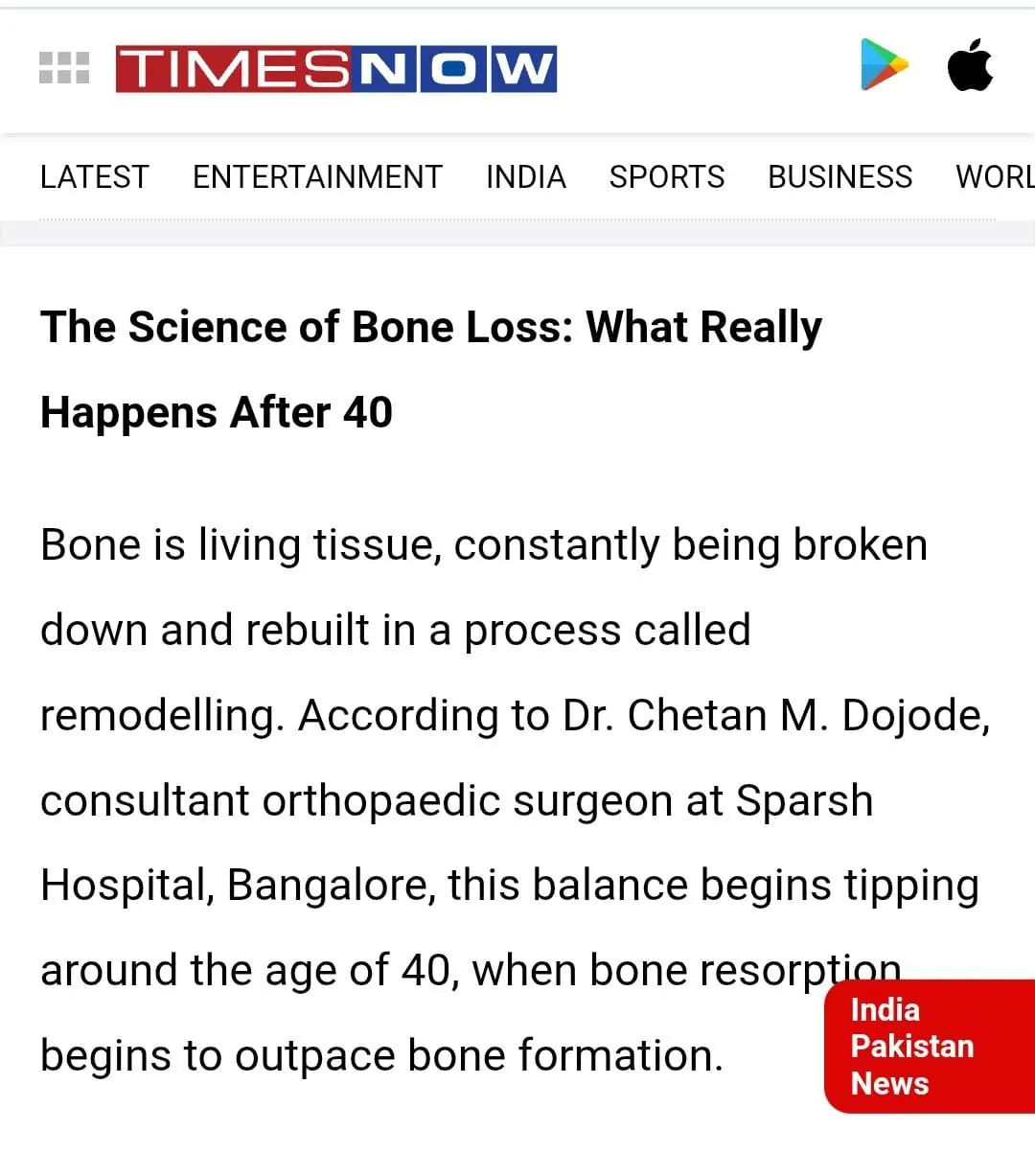
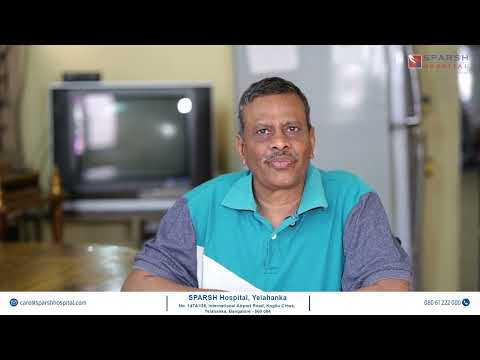
"According to Dr. Chetan M. Dojode, consultant orthopaedic surgeon at Sparsh Hospital Yelahanka, Bangalore — bone resorption begins to outpace bone formation around the age of 40."
The Science of Bone Loss: What Really Happens After 40
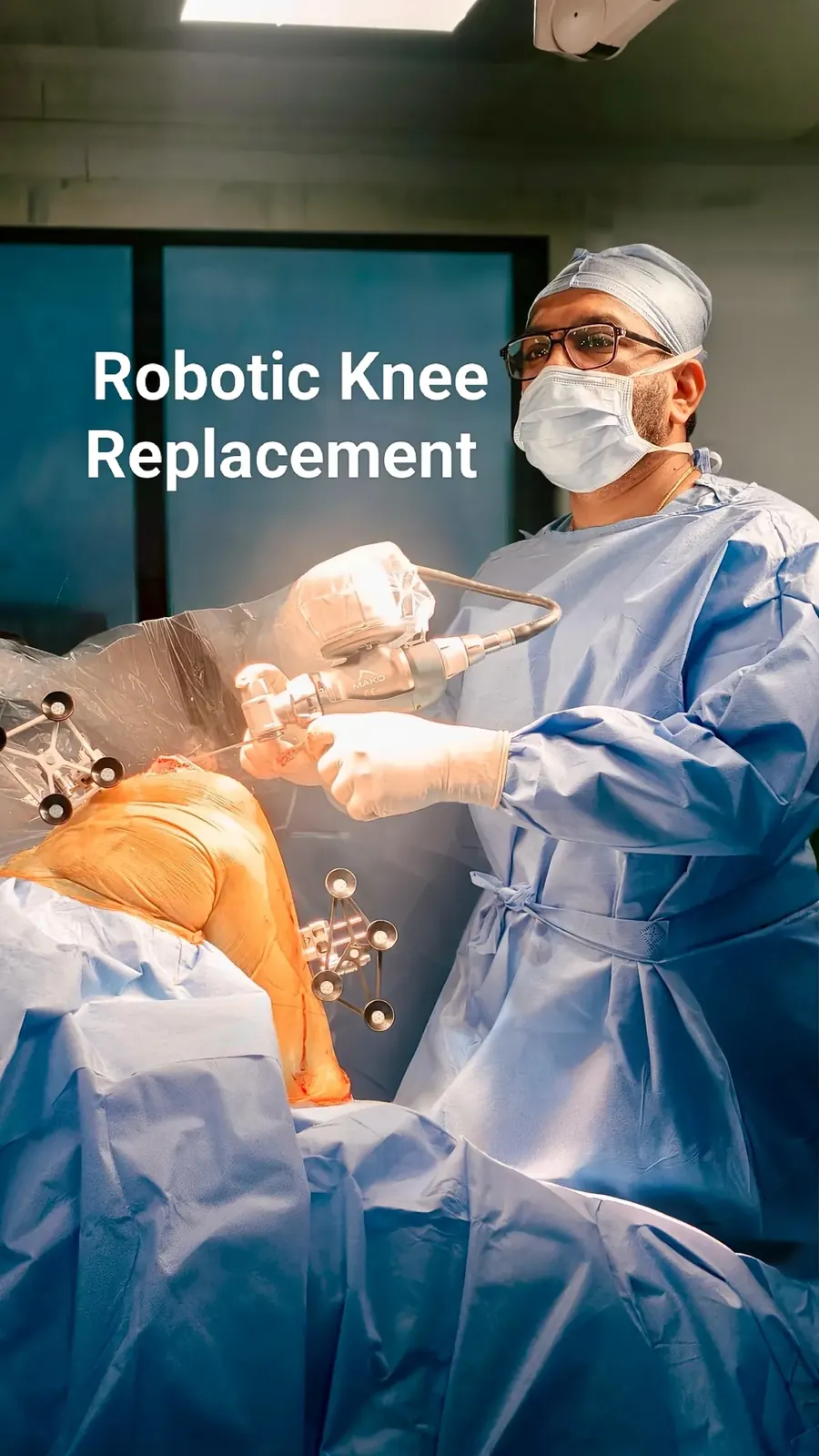
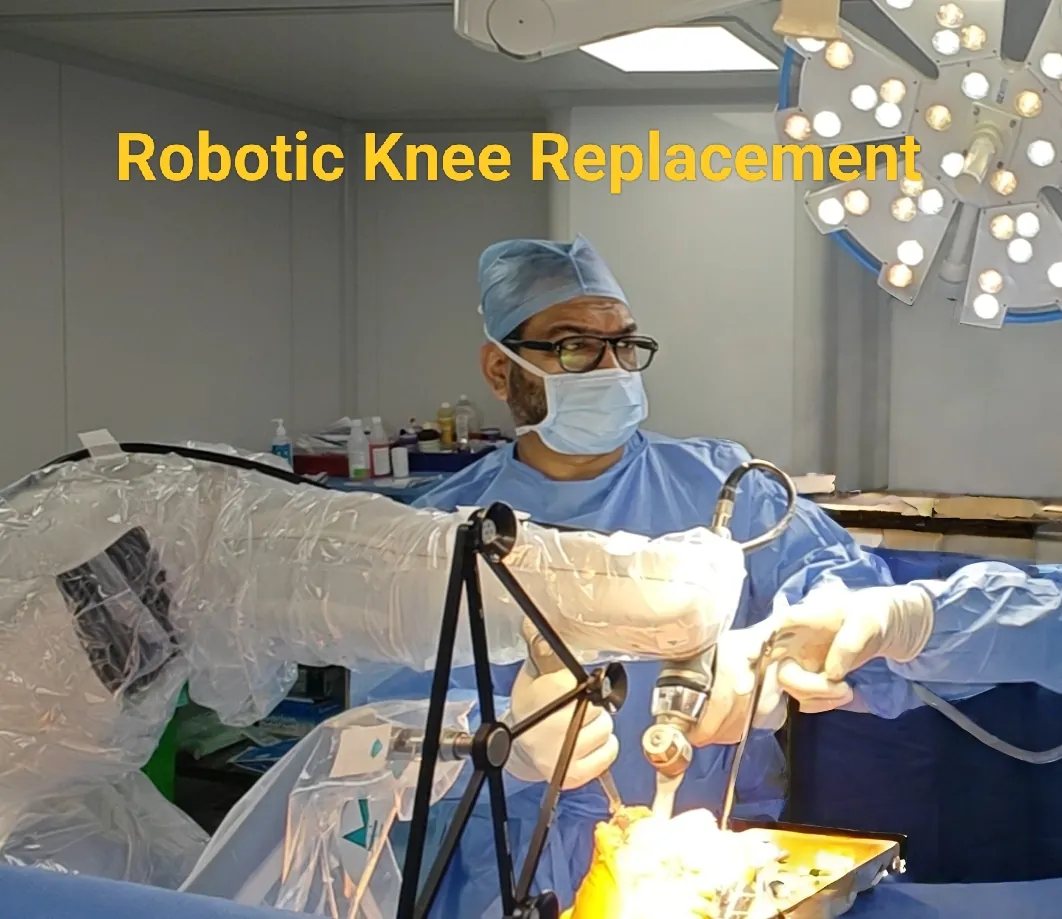
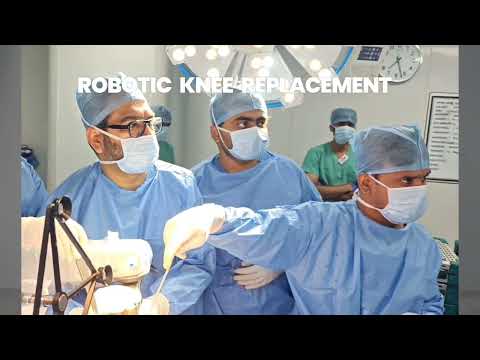
Watch Dr. Chetan M. Dojode perform MAKO robotic-assisted knee replacement surgery. CT-based pre-operative planning with intra-operative robotic guidance for sub-millimetre precision.
About OrthoSportsRobotics
OrthoSportsRobotics brings together UK-trained surgical expertise, robotic precision technology, and evidence-based orthopaedic medicine — delivered in Bengaluru with international standards of care.
MAKO and Smith & Nephew robotic-assisted knee and hip replacement with CT-based pre-operative planning and sub-millimetre surgical precision.
ACL, PCL, meniscus, cartilage, rotator cuff, shoulder instability — evidence-based treatment and return-to-sport programmes for athletes at every level.
High-volume keyhole surgery of the knee and shoulder — meniscal repair, ligament reconstruction, cartilage procedures — with accelerated recovery.
PRP, orthobiologics, osteotomy, cartilage restoration — extending the life of your natural joint before replacement is considered.
Rotator cuff repair, Bankart repair, Latarjet procedure, SLAP repair, frozen shoulder capsular release — full arthroscopic and open shoulder surgery.
ATLS-certified fracture care — pelvic, acetabular, periarticular, and periprosthetic fractures — backed by extensive NHS major trauma experience.
Why Choose Dr. Chetan M. Dojode
Twelve reasons patients choose Dr. Chetan M. Dojode over other orthopaedic surgeons in Bengaluru.
The Fellowship of the Royal College of Surgeons — the definitive UK consultant orthopaedic qualification, requiring extensive training and rigorous examination.
Over a decade of clinical practice across NHS major trauma centres, specialist orthopaedic units, and district general hospitals in the United Kingdom.
Fellow of the European Board of Orthopaedic Surgery and Traumatology — a rare dual UK and European specialist qualification.
Registered on the UK General Medical Council Specialist Register via CESR — the highest form of specialist recognition in British medicine.
Certified in MAKO SmartRobotics (Stryker) and Smith & Nephew robotic systems — bringing the most advanced joint replacement technology to Bengaluru.
Contributor to a multicentre randomised controlled trial published in The Lancet — one of the world's highest-impact medical journals.
Sub-specialty fellowships in Arthroplasty & Revision Surgery and in Shoulder & Knee Surgery — advanced training beyond standard orthopaedic qualification.
Experience treating competitive and elite athletes including Sports Authority of India athletes — with sport-specific rehabilitation and return-to-play protocols.
A genuine commitment to joint preservation — non-surgical and biological options are always explored before surgery is recommended.
International Training Journey
Two decades of progressive training across India and the United Kingdom, culminating in the highest level of orthopaedic specialist recognition.
MBBS — Mysore Medical College. MS (Orthopaedics) — JNMC. Establishing the clinical foundation of orthopaedic surgery.
Member of the Royal College of Surgeons (MRCS). MCh (Trauma & Orthopaedics, UK). Entering the NHS as a specialist surgeon.
Extensive NHS experience across major trauma centres, specialist orthopaedic units, and district general hospitals — high-volume surgical practice in the UK system. Appointments included University Hospitals Sussex, Surrey & Sussex Healthcare (East Surrey Hospital), Western Sussex Hospitals (Worthing & St Richard's), South Warwickshire (Warwick Hospital), Wrightington Hospital, North Manchester General Hospital and William Harvey Hospital.
Fellowship in Arthroplasty & Revision Surgery. Fellowship in Shoulder & Knee Surgery. Advanced sub-specialty expertise beyond standard training.
FRCS (Trauma & Orthopaedics) — the highest orthopaedic surgical qualification in the UK. Awarded after comprehensive clinical and oral examinations.
FEBOT (European Board of Orthopaedics). GMC Specialist Register via CESR. Dual UK and European specialist qualification — recognised internationally.
MAKO robotic surgery certification. Bringing UK-trained expertise and robotic precision to Bengaluru through OrthoSportsRobotics.
Centres of Excellence
MAKO robotic knee and hip replacement with CT-based 3D planning and sub-millimetre precision implant positioning.
Learn More →ACL reconstruction, meniscal repair, cartilage restoration, shoulder stabilisation — return-to-sport programmes for all athletes.
Learn More →Keyhole surgery of the knee and shoulder — precise, minimally invasive, with rapid recovery and minimal scarring.
Learn More →PRP, orthobiologics, osteotomy, cartilage restoration — extending natural joint life, delaying or avoiding replacement.
Learn More →Rotator cuff repair, instability, Bankart repair, SLAP repair, frozen shoulder — complete arthroscopic shoulder care.
Learn More →Robotic total and partial knee replacement, ACL reconstruction, meniscal procedures — the full spectrum of knee surgery.
Learn More →Robotic total hip replacement with precise cup positioning, minimising dislocation risk and optimising leg length restoration.
Learn More →ATLS-certified fracture care including pelvic, acetabular, and complex periarticular injuries — backed by NHS major trauma experience.
Learn More →Robotic Surgery Programme
Robotic-assisted joint replacement begins before you enter the operating theatre. A CT scan creates a precise 3D digital model of your joint. Every implant is planned virtually — position, size, orientation — then executed with robotic guidance during surgery.
Implant positioning to within sub-millimetre accuracy — matched to your unique anatomy.
CT-based 3D pre-operative plan tailored to each patient before a single incision is made.
Better alignment means less pain, faster rehabilitation, and more natural joint feel.
Optimal positioning is the single most important factor influencing 15–20 year implant survival.
Pre-operative imaging for 3D planning
Implant size, position and orientation
Real-time guided execution
Walk day 0–1, home day 2–3
Sports Orthopaedics Programme
From recreational athletes to elite competitors, Dr. Chetan M. Dojode provides comprehensive sports injury diagnosis, treatment, and return-to-sport programmes. He has treated Sports Authority of India athletes at the highest level.
Recovery is cleared by criteria — quadriceps strength symmetry and functional testing, not the calendar — so you run, pivot and compete again with confidence. Dr. Chetan M. Dojode has returned recreational and Sports Authority of India athletes to full activity.
Anatomic ACL reconstruction using hamstring or patellar tendon grafts. Arthroscopic technique with return to sport at 9–12 months following structured rehabilitation.
Meniscal preservation is always the priority. Repair is preferred over removal — protecting the knee from accelerated arthritis and preserving long-term function.
Microfracture, mosaicplasty, AMIC and biological cartilage restoration — regenerating articular surface to protect joint longevity in younger active patients.
Conservative rehabilitation or arthroscopic PCL reconstruction — tailored to injury grade and functional demands of each patient's sport and activity level.
MPFL reconstruction and tibial tubercle osteotomy restore patellar tracking — preventing recurrent dislocations and protecting articular cartilage.
Bankart repair and Latarjet procedure for first-time and recurrent shoulder dislocations — restoring stability without compromising range of motion in athletes.
All Services
Click any condition or procedure to read a full guide — including symptoms, treatment options, FAQs, and how to book.
Arthroscopy Centre
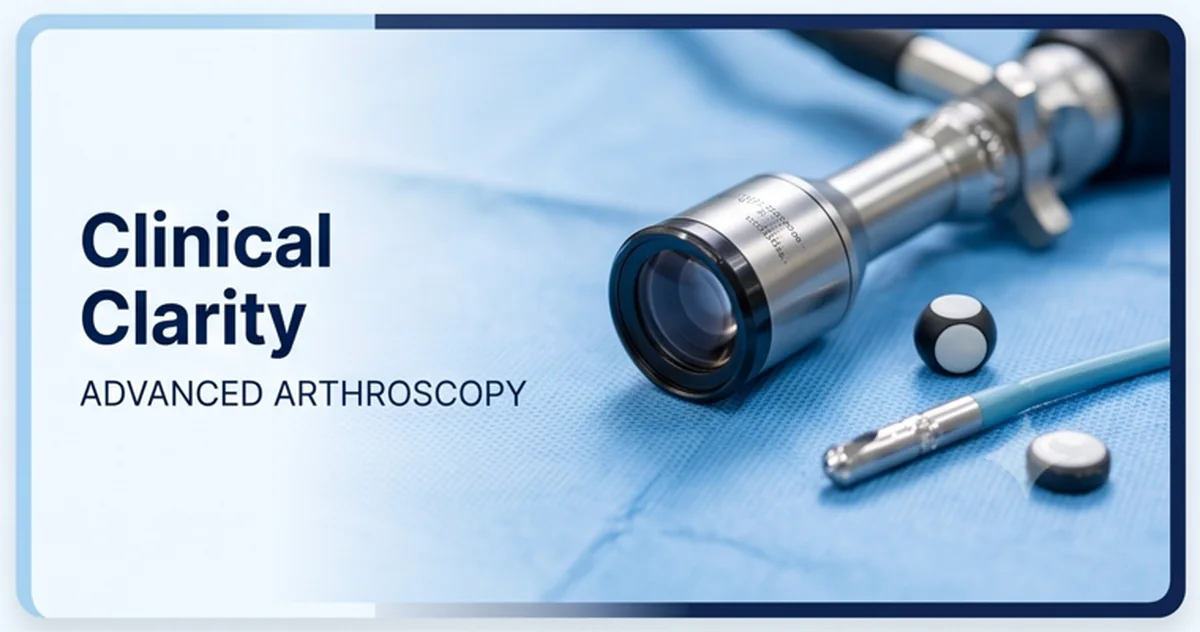
Arthroscopy is keyhole surgery through tiny incisions using a fine camera and specialised instruments. It offers the precision of open surgery with dramatically reduced recovery times, less pain, and minimal scarring.
Dr. Chetan M. Dojode performs high-volume arthroscopic surgery of the knee and shoulder — technique refined over a decade of NHS surgical practice.
Joint Preservation Centre
Using biological, regenerative, and surgical techniques to delay or avoid replacement wherever clinically possible.
Platelet-Rich Plasma from your own blood — injected to reduce inflammation and stimulate healing. Evidence-based for early knee and shoulder arthritis, tendinopathies and cartilage conditions.
Bone marrow aspirate concentrate (BMAC) — a "stem cell" orthobiologic that concentrates your own cells to support healing in early arthritis — alongside hyaluronic acid viscosupplementation and growth factor injections. BMAC's evidence base is evolving, so it is offered selectively, case by case.
Microfracture, mosaicplasty, and MACI — restoring articular surface and reducing arthritis risk in younger, active patients with focal cartilage defects.
High tibial osteotomy (HTO) realigns the mechanical axis to redistribute load away from damaged knee compartments — delaying replacement by 10+ years in appropriate patients.
The meniscus is a critical shock absorber. Repair is always preferred over removal — protecting the joint and significantly reducing long-term arthritis risk.
Physiotherapy optimisation, targeted injections, weight management and activity modification — structured non-operative programme for early osteoarthritis.
Shoulder Centre
The shoulder is the most mobile and complex joint in the body. Dr. Chetan M. Dojode offers the full spectrum of shoulder surgery — from arthroscopic repair to complex reconstruction.
Arthroscopic repair of partial and full-thickness tears with optimised suture anchor technique and evidence-based rehabilitation to restore full shoulder function.
Bankart repair and capsular plication for recurrent dislocations. Latarjet procedure for significant bone loss — restoring stability for athletes and active patients.
Arthroscopic capsular release when conservative management fails — rapidly restoring range of motion with minimal downtime.
Arthroscopic SLAP repair or biceps tenodesis — tailored to patient age, activity, and tear pattern. Common in overhead athletes and throwing sports.
Acromioclavicular joint separation and arthritis managed through conservative care or arthroscopic anatomical ligament reconstruction.
High-performance return-to-sport pathway for athletes — surgery planned around season demands and career goals.
Trauma Centre
Dr. Chetan M. Dojode's NHS career included extensive major trauma centre experience — managing the full spectrum of orthopaedic trauma from simple fractures to complex pelvic and acetabular injuries. He holds ATLS certification.
Advanced Trauma Life Support — the gold standard in trauma resuscitation and emergency management.
11+ years managing complex pelvic, acetabular, and polytrauma cases across NHS major trauma centres.
Research & Academic Profile
Dr. Chetan M. Dojode's clinical practice is informed by active engagement with international peer-reviewed research — including a landmark multicentre trial published in The Lancet.
Collaborative author on the WAX multicentre randomised controlled trial (University of Oxford) comparing early versus delayed weight-bearing after ankle fracture surgery — published in one of the world's highest-impact medical journals.
Randomised controlled trial comparing autologous blood injection versus corticosteroid for lateral epicondylitis — published in the British Editorial Society's open-access research journal.
Systematic review of wound closure methods after arthroscopy, published in the journal of the International Society of Arthroscopy, Knee Surgery & Orthopaedic Sports Medicine.
Two published case reports on complex peri-prosthetic and atypical hip infections — detailed diagnosis, management and literature review.
Comparative study of minimally invasive versus open surgery for hallux valgus correction — co-author contributing study design and manuscript.
Invited co-author for a chapter on concomitant rotator cuff and Bankart tears in the international edition of the Atlas of Arthroscopy (Springer Nature).
Including a Lancet 2024 trial, The Bone & Joint Journal, and International Orthopaedics — spanning original research, systematic reviews and multicentre collaborative studies.
Peer reviewer for BMJ Case Reports, the Journal of International Medical Research, SAGE Open Medical Case Reports and Cureus.
Oral and poster presentations at DKOU (Berlin), EFORT, BASK, the British Trauma Society and KOACON.
FRCS (Tr & Orth) revision-course faculty; examiner for Brighton & Sussex Medical School and panellist for UK Core Surgical Training interviews.
Member of the specialist society connecting UK-trained and India-based orthopaedic surgeons — reflecting sustained engagement with the British orthopaedic community.
Member of the national professional body for orthopaedic surgeons in India.
Member of the national society for arthroscopic and sports orthopaedic surgery.
Member of the Karnataka Orthopaedic Association (KOA) and Bangalore Orthopaedic Society (BOS).
Patient Reviews
Real reviews from verified patients on Google. Read more on our Google Business profiles.
Robotic Total Knee ReplacementRamesh K., Yelahanka★★★★★After years of knee pain, Dr. Chetan M. Dojode's thorough consultation was the first time a surgeon explained all my options — including those that didn't involve surgery. The robotic replacement was precise and my recovery has been remarkable. Back to walking normally in 6 weeks.
Read on Google
ACL ReconstructionAnitha S., Sahakar Nagar★★★★★I tore my ACL playing club cricket. Dr. Chetan's experience with athletes made a real difference — he understood my goal to return to competitive sport and designed my rehabilitation accordingly. Back playing competitively at 10 months.
Read on Google
Joint Preservation — PRPPrakash M., Hebbal★★★★★Two other surgeons told me I needed a hip replacement immediately. Dr. Chetan assessed my scans carefully and recommended a structured PRP and physiotherapy programme first. One year later — no surgery needed. His preserve before replace approach is genuine and rare.
Read on Google
Rotator Cuff RepairVijay R., Jakkur★★★★★Shoulder arthroscopy for a full thickness rotator cuff tear. Dr. Chetan explained the procedure clearly, performed keyhole surgery, and I was home the same evening. Full shoulder function restored at 5 months with his detailed rehabilitation programme.
Read on Google
[Procedure][First name L.], [Locality]★★★★★[Patient’s review text — add once written consent is obtained.]
Read on Google
[Procedure][First name L.], [Locality]★★★★★[Patient’s review text — add once written consent is obtained.]
Read on Google
Had a positive experience? Your review helps other patients make informed decisions.
Patient Education Hub
Evidence-based guides to common orthopaedic conditions — written in plain language to help you prepare for your consultation.
Progressive wearing down of articular cartilage in the knee — the smooth surface covering bone ends. As cartilage thins, bone rubs on bone causing pain, stiffness, and reduced function. The most common joint condition in adults over 50.
Staged: physiotherapy and weight management first, then PRP or hyaluronic acid injections, then osteotomy or — when advanced — robotic joint replacement. Surgery is recommended only when non-operative options are exhausted.
If knee pain is affecting daily activities, disturbing sleep, or not responding to physiotherapy after 6 weeks — a specialist consultation is warranted. Early assessment prevents delayed treatment.
The ACL stabilises the knee during pivoting and landing. Tears typically occur in football, basketball, badminton, and cricket. The ACL does not heal spontaneously — reconstruction is required for active patients wishing to return to sport.
Arthroscopic ACL reconstruction using hamstring or patellar tendon graft. Anatomic technique optimised for rotational stability. Return to sport at 9–12 months following structured rehabilitation programme.
Return to competitive sport at 9–12 months. Criteria-based — not time-based: quadriceps strength symmetry, functional performance tests, and psychological readiness all assessed before clearance.
A CT scan creates a 3D digital model of your joint. Your surgeon plans the exact implant position virtually before surgery. During the operation, a robotic arm assists execution of that plan with sub-millimetre accuracy.
Published evidence shows robotic-assisted replacement achieves more accurate positioning, better leg length restoration, improved soft tissue balance, and improved patient-reported outcomes versus conventional surgery.
Most patients walk the same day or next day. Hospital stay 2–3 days. Driving at 4–6 weeks. Normal daily activities at 6–8 weeks. Full benefit at 3–6 months.
Most patients requiring primary knee or hip replacement are suitable. Dr. Chetan M. Dojode assesses each patient individually — complex anatomy can often still be managed with robotic assistance.
Frequently Asked Questions
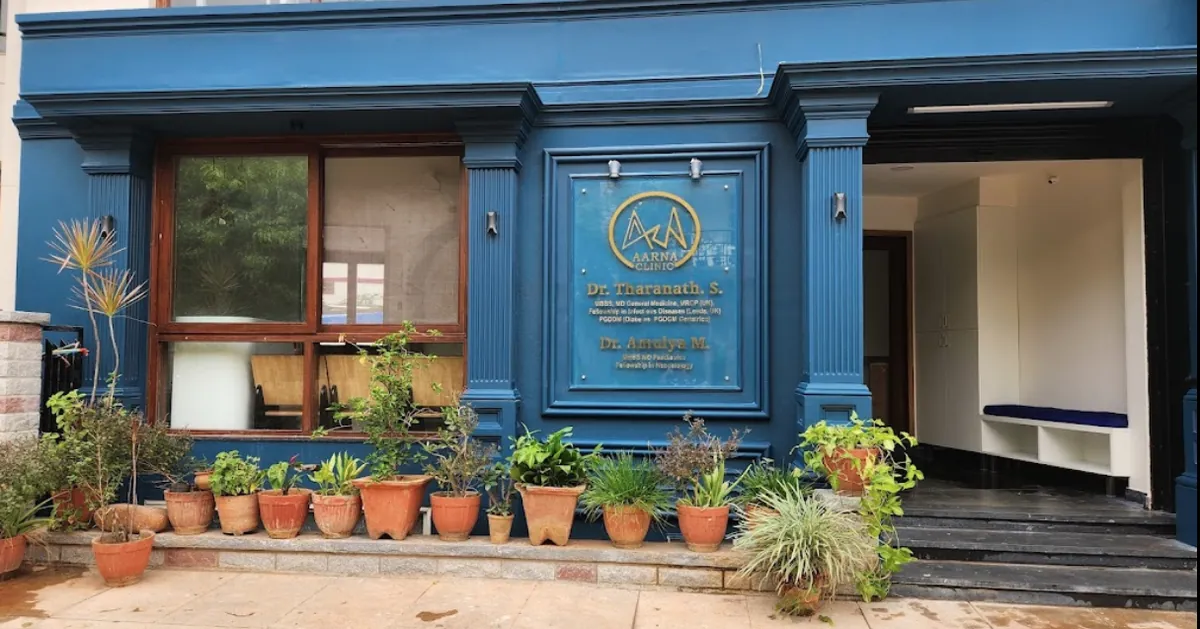
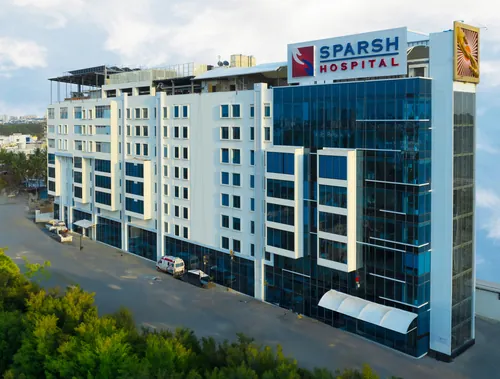
Dr. Chetan M. Dojode is a UK-trained Consultant Orthopaedic Surgeon in Bengaluru, India. He holds FRCS (Trauma & Orthopaedics) UK, FEBOT, MCh (UK), MRCS (UK), and is on the GMC Specialist Register with 11+ years NHS experience. He is MAKO robotic surgery certified and practises at Sparsh Hospital Yelahanka and OSR — OrthoSportsRobotics Clinic / Aarna Clinic, Sahakar Nagar.
MBBS (Mysore Medical College), MS Orthopaedics (JNMC), MRCS (UK), MCh Trauma & Orthopaedics (UK), FRCS Trauma & Orthopaedics (UK), FEBOT (European Board), CESR Specialist Registration on the GMC Specialist Register, Fellowship in Arthroplasty & Revision Surgery, Fellowship in Shoulder & Knee Surgery.
Yes. Dr. Chetan M. Dojode is registered on the GMC Specialist Register in Trauma & Orthopaedics via the CESR pathway — the highest specialist recognition in the UK, equivalent to completion of a full UK specialist training programme.
Yes. Dr. Chetan M. Dojode holds the FRCS (Trauma & Orthopaedics) from the Royal College of Surgeons of Edinburgh — the definitive UK consultant orthopaedic qualification, requiring comprehensive clinical and oral examinations.
Robotic knee replacement uses CT-based 3D pre-operative planning and intra-operative robotic guidance to position implants with sub-millimetre accuracy tailored to each patient's anatomy — achieving better alignment, more natural knee feel, and improved long-term outcomes.
Patients with advanced knee osteoarthritis causing significant pain and functional limitation that has not responded to non-surgical treatment. Dr. Chetan M. Dojode assesses each patient individually before recommending robotic replacement.
Yes. Robotic total hip replacement using MAKO technology enables precise acetabular cup positioning and femoral stem placement — reducing dislocation risk and optimising leg length restoration.
Modern knee implants, particularly when positioned with robotic precision, have over 90–95% survivorship at 15–20 years in published series. Optimal alignment — which robotic surgery consistently achieves — is the single most important factor in long-term implant durability.
Most patients walk the same day or next day. Hospital stay 2–3 days. Driving at 4–6 weeks. Return to light activities at 6–8 weeks. Full recovery and maximum function at 3–6 months.
Return to competitive sport after ACL reconstruction typically takes 9–12 months. This is criteria-based — quadriceps strength symmetry, functional performance tests, and psychological readiness — not an arbitrary timeline. Premature return significantly increases re-injury risk.
ACL reconstruction is generally required when a complete tear causes knee instability or giving-way, when a patient wishes to return to pivoting or contact sport, or when associated meniscal or cartilage damage needs protection. Active patients and athletes are the most common candidates. Dr. Chetan M. Dojode assesses each knee individually before recommending surgery.
Partial ACL tears in sedentary individuals with a stable knee examination may be managed conservatively. However, complete ACL tears in active patients wishing to return to pivoting sports almost always require surgical reconstruction to restore stability and prevent secondary damage.
Yes. Dr. Chetan M. Dojode has experience treating competitive athletes including Sports Authority of India athletes — providing sport-specific rehabilitation and return-to-play protocols.
Some partial tears in the outer vascular zone can heal with physiotherapy and activity modification. Full-thickness tears causing locking or instability, and tears in the inner avascular zone, generally require arthroscopic treatment. Where repair is possible, it is always preferred over removal.
Almost always, yes. The meniscus provides critical shock absorption and load distribution. Meniscal removal accelerates arthritis significantly. At OrthoSportsRobotics, preservation and repair is always the first goal.
Arthroscopy is keyhole surgery performed through tiny incisions using a camera and specialised instruments. It offers the precision of open surgery with dramatically reduced recovery, less pain, and minimal scarring. Dr. Chetan M. Dojode performs high-volume arthroscopic surgery of the knee and shoulder.
PRP (Platelet-Rich Plasma) involves concentrating growth factors from your own blood and injecting them into the affected joint. Evidence supports PRP for mild to moderate knee osteoarthritis, reducing pain and inflammation. Results typically last 6–12 months.
Joint preservation surgery uses biological and corrective techniques to delay or avoid joint replacement — protecting your natural joint for as long as possible. It includes cartilage restoration (microfracture, mosaicplasty, MACI), osteotomy to realign load away from damaged areas, meniscal repair, and orthobiologics such as PRP. It is most valuable in younger, active patients with early or focal joint damage, in keeping with Dr. Chetan M. Dojode's preserve-before-replace philosophy.
Yes. Bone Marrow Aspirate Concentrate (BMAC) concentrates your own cells from a bone marrow sample to support healing in early arthritis and selected cartilage conditions. Because the evidence base is still evolving, BMAC is offered selectively and on a case-by-case basis — only where it is genuinely clinically appropriate, never as a routine or guaranteed cure.
Yes. Dr. Chetan M. Dojode performs the full range of shoulder surgery — arthroscopic rotator cuff repair, Bankart repair, Latarjet procedure, SLAP repair, subacromial decompression, biceps tenodesis, and capsular release for frozen shoulder.
OrthoSportsRobotics uniquely combines FRCS/FEBOT/GMC-registered UK-trained surgical expertise, MAKO robotic technology, Lancet-level research credentials, a genuine preserve-before-replace philosophy, and personalised care — delivered in Bengaluru, India.
The cost depends on the specific procedure, the implants or graft used, the hospital and room category, and your insurance cover — so each case is quoted individually after assessment. Most orthopaedic procedures are covered by health insurance. Please call +91 94809 09009 for a personalised estimate before you decide.
Yes. Sparsh Hospital Yelahanka is empanelled with major insurers and TPAs and offers cashless approval for eligible admissions. Bring your insurance or TPA card and policy details, and the hospital insurance desk assists with pre-authorisation. Call +91 94809 09009 to confirm your specific cover before admission.
It varies by procedure. Arthroscopy (keyhole surgery) often means same-day discharge and a return to desk work within 1–2 weeks. Robotic knee replacement patients typically walk within a day and drive by around 4–6 weeks. ACL reconstruction return to competitive sport is 9–12 months. Dr. Chetan M. Dojode uses enhanced-recovery protocols and provides every patient a procedure-specific rehabilitation plan.
Patient Journey
45–60 minute comprehensive assessment. History, imaging, and goals reviewed. All treatment options — non-surgical and surgical — discussed thoroughly.
X-rays, MRI or CT as indicated. For robotic surgery: CT-based 3D planning tailors the procedure to your exact anatomy before you enter theatre.
Anaesthetic assessment, medical optimisation, physiotherapy prehabilitation — so you arrive for surgery in the best possible condition.
Precision surgery with robotic assistance where indicated — using enhanced recovery protocols to minimise hospital stay and accelerate rehabilitation.
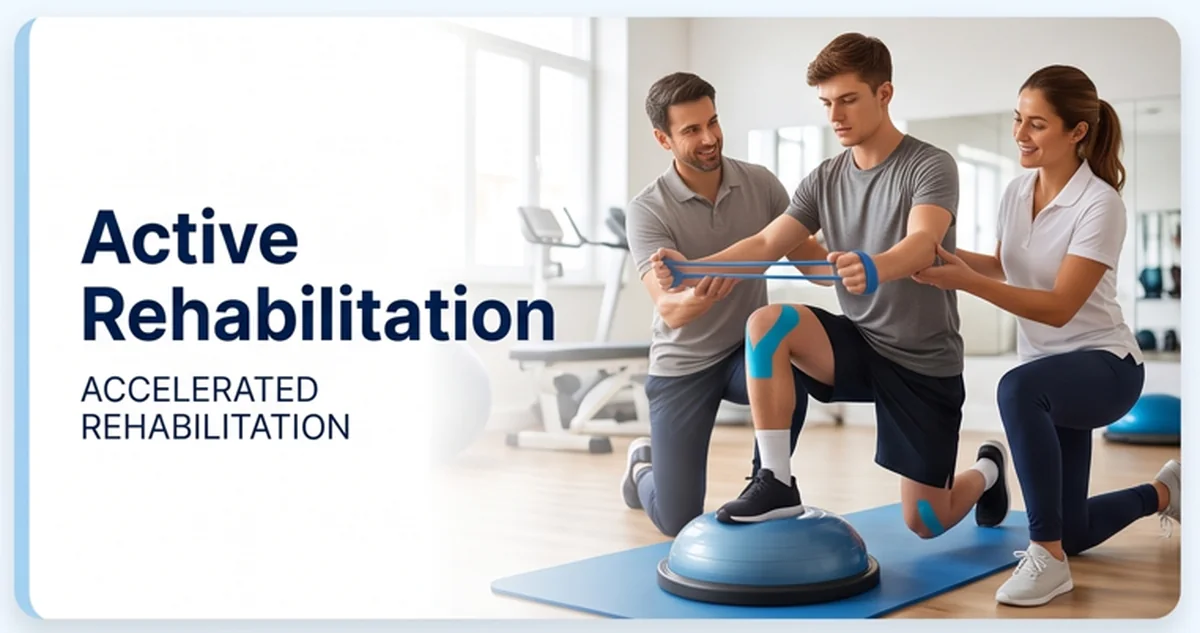
Structured physiotherapy tailored to your procedure and goals — with regular follow-up appointments to monitor progress.
Cleared for driving, sport, and full activity based on objective functional criteria — long-term follow-up ensures the best outcome.
Our Clinics
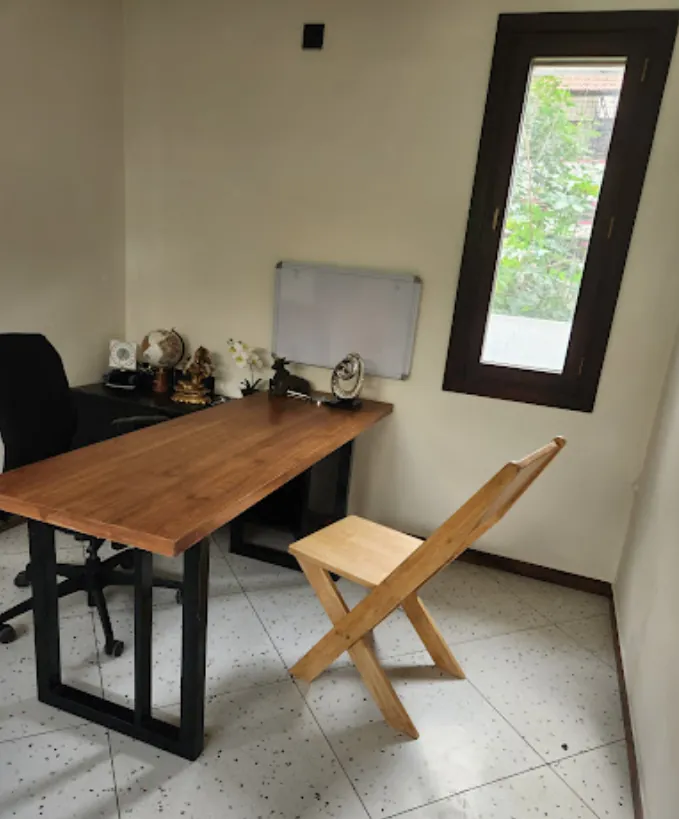
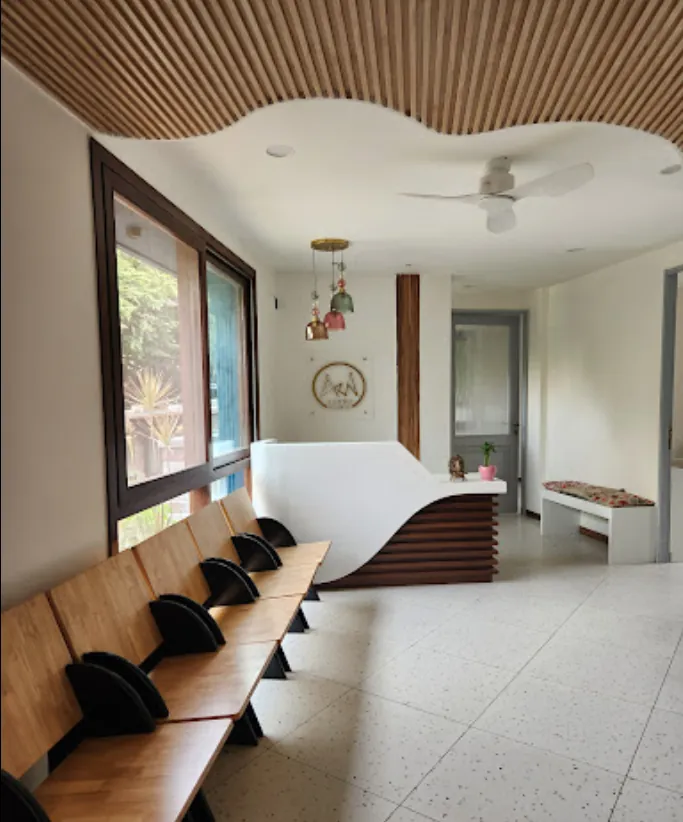
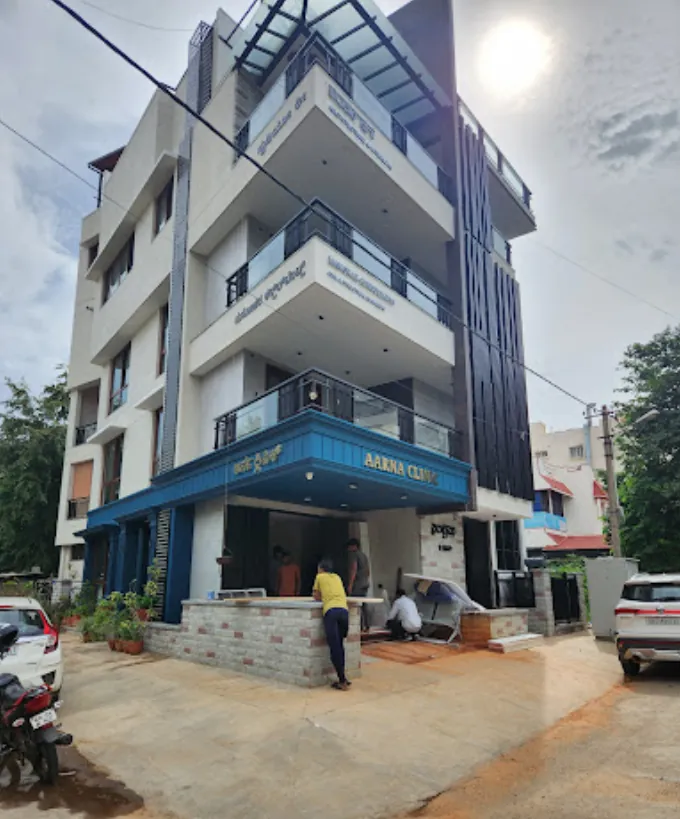
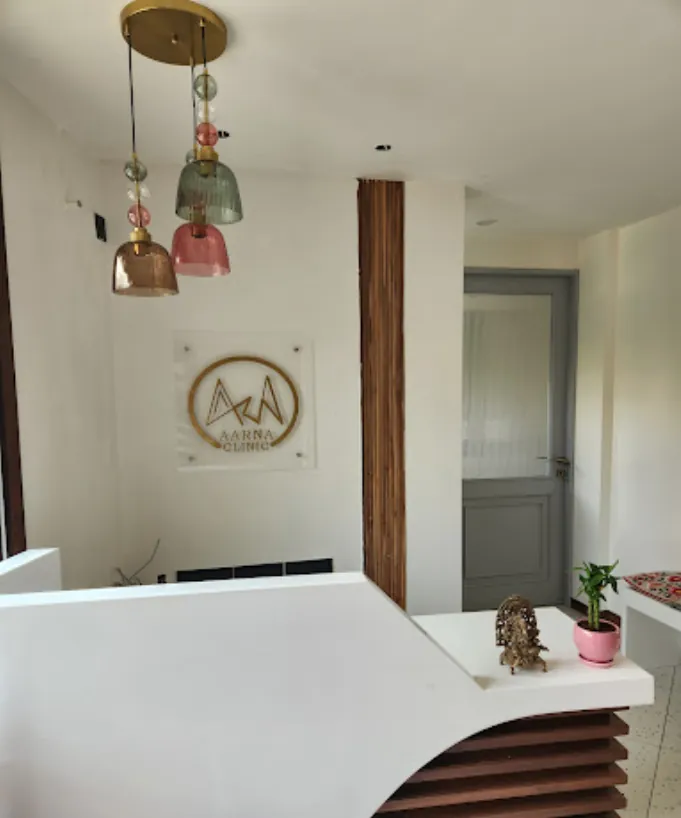
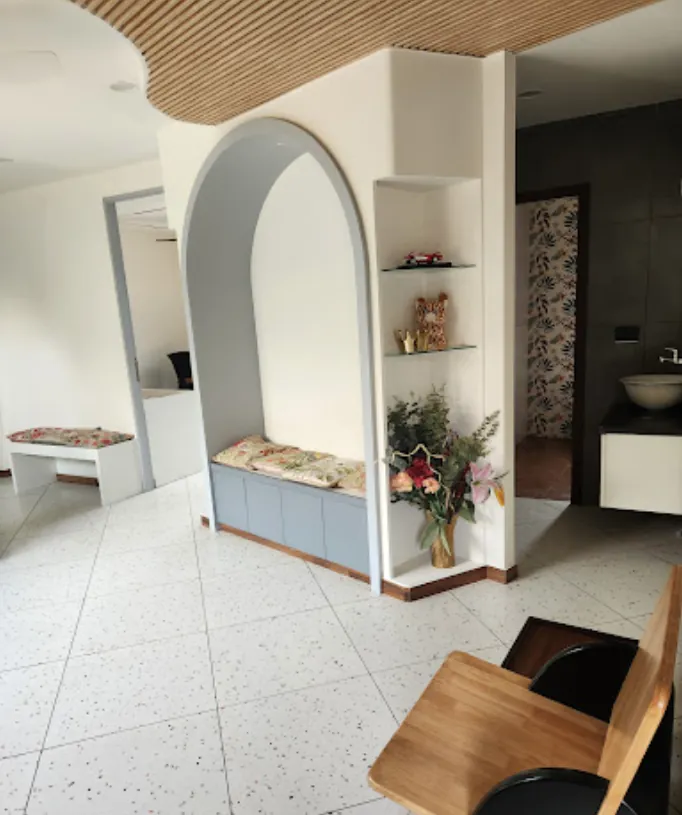
A warm, professional environment designed for patient comfort — conveniently located in Sahakar Nagar, Bengaluru.
Clinic Locations & Appointments
Dr. Chetan M. Dojode practises at two locations in Bengaluru. Contact us to book your appointment.