A torn anterior cruciate ligament does not heal, but it does not automatically require reconstruction either. The decision depends on what your knee needs to do, not simply on the MRI report.
The ACL controls rotation and stops the tibia sliding forward. Without it, straight-line activity is often unaffected — many people walk, cycle and even jog comfortably with a torn ACL. The problem appears with pivoting: turning on a planted foot, side-stepping, landing from a jump. That is when the knee gives way.
Reconstruction is therefore recommended most strongly for patients who need a pivoting knee: those returning to football, badminton, basketball, tennis, kabaddi or dance, and those whose work involves ladders, uneven ground or sudden changes of direction. It is also recommended where the knee gives way during ordinary daily activity, regardless of sport, because repeated episodes of instability damage the meniscus and cartilage over time.
Patients with lower demands who do not experience giving way can do well with a structured rehabilitation programme building the hamstrings and quadriceps to compensate. This is a legitimate choice, not a second-best one — but it requires genuine commitment to the programme and honest acceptance that pivoting sport is likely to be off the table.
One factor overrides preference. If the meniscus is also torn and repairable, reconstructing the ACL protects that repair. An unstable knee places repeated stress on a meniscal repair and makes it likely to fail, so the two are usually addressed together.
Reconstruction vs rehabilitation
- ✓Return to pivoting sport intended
- ✓Knee gives way in daily activity
- ✓Repairable meniscal tear present
- ✓Occupation demands a stable knee
- ✓Younger patient with high demands
- →No giving way in daily life
- →Straight-line activity only
- →Willing to avoid pivoting sport
- →Older patient with lower demands
- →Committed to a structured programme
Why prehabilitation comes first
Reconstructing a stiff, swollen knee with a wasted quadriceps produces a worse result than reconstructing a knee that has regained full extension and reasonable muscle bulk. Except where the knee is locked by a displaced meniscal fragment, surgery is usually deferred until swelling has settled and movement is restored. This is a deliberate part of the plan, not a delay, and it measurably improves the final outcome.
Frequently Asked Questions
Can you live without an ACL?
Many people do. Straight-line activities such as walking, cycling and swimming place little demand on the ACL, and strengthening the surrounding muscles compensates well. The limitation is pivoting activity, where the knee may give way. Repeated giving way damages the meniscus and cartilage, so persistent instability is an argument for reconstruction.
How soon after injury should ACL surgery be done?
Rarely immediately. Operating on a stiff, swollen knee produces poorer results, so surgery is usually deferred until swelling has settled, full extension has returned and quadriceps bulk has improved — commonly a few weeks. The exception is a locked knee from a displaced meniscal tear, which needs earlier attention.
What graft is used for ACL reconstruction?
Most commonly the hamstring tendons or a portion of the patellar tendon, taken from your own knee. Each has advantages and the choice depends on your sport, your anatomy, whether you kneel frequently at work or worship, and whether this is a first or revision reconstruction. The reasoning is explained before surgery.
When can I return to sport after ACL reconstruction?
Return to pivoting sport is typically around nine to twelve months, and should be based on objective strength and hop testing rather than the calendar alone. Returning before the graft has matured and strength has been restored substantially increases the risk of re-rupture.
Will my knee be normal again after reconstruction?
A well-performed reconstruction restores stability and allows most patients to return to their previous activities. It is not identical to an uninjured knee — proprioception differs, and any associated cartilage or meniscal damage sustained at the time of injury influences the long-term outlook.
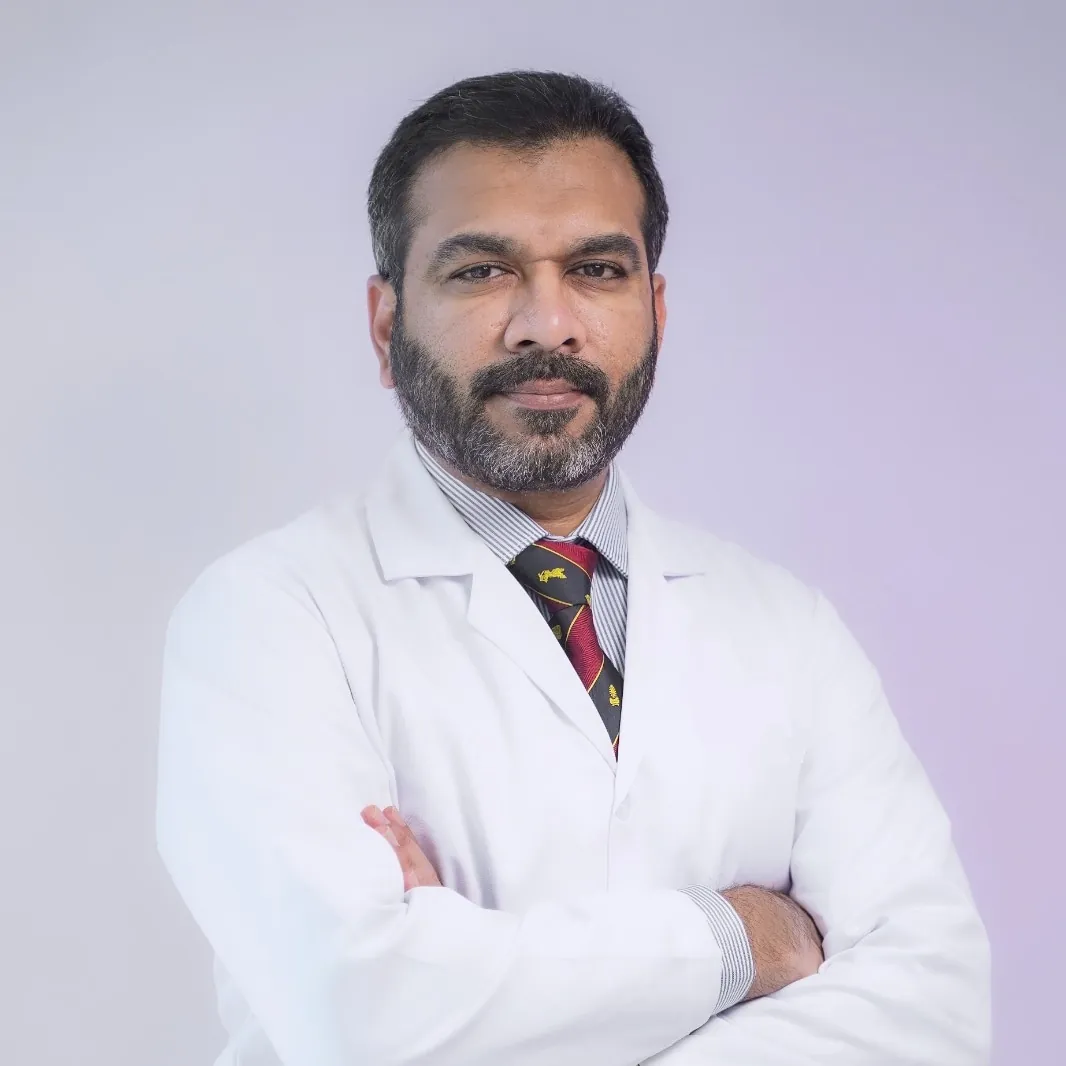
Dr. Chetan M. Dojode
FRCS (Tr&Orth) UK · FEBOT
GMC Specialist Register
Clinic Locations
OSR — OrthoSportsRobotics Clinic / Aarna Clinic, Sahakar Nagar
1182/1, 20th Main Road, A Block,
Bengaluru 560092