Frozen shoulder (adhesive capsulitis) is a painful condition causing progressive stiffness and loss of movement in the shoulder. It typically affects adults between 40–60 years of age and can last 1–3 years without appropriate treatment. Women are affected more frequently than men, and diabetic patients are at significantly higher risk.
Dr. Chetan M. Dojode FRCS (Trauma & Orthopaedics) UK provides expert frozen shoulder management at Sparsh Hospital Yelahanka and OSR — OrthoSportsRobotics Clinic / Aarna Clinic, Sahakar Nagar — from physiotherapy and injections through to arthroscopic capsular release when conservative treatment fails.
Three Stages of Frozen Shoulder
Increasing pain and progressive loss of movement. Most painful stage.
Pain may decrease but stiffness reaches maximum — significant functional limitation.
Gradual spontaneous recovery — but often incomplete without treatment.
Treatment Options
- ✓Corticosteroid injections — reduce inflammation in early stages
- ✓Physiotherapy — progressive stretching and range of motion
- ✓Hydrodilatation (distension arthrogram) — expanding the joint capsule
- ✓Arthroscopic capsular release — keyhole surgery for refractory cases
Frequently Asked Questions
What is frozen shoulder?
Frozen shoulder (adhesive capsulitis) is inflammation and thickening of the shoulder joint capsule — causing pain and progressive stiffness. It typically progresses through three stages: freezing (increasing pain), frozen (maximum stiffness), and thawing (gradual recovery). Without treatment, it can last 1–3 years.
What is the fastest treatment for frozen shoulder?
A combination of corticosteroid injection and intensive physiotherapy in the early stages provides the fastest pain relief. Arthroscopic capsular release — keyhole surgery — is the most effective treatment for refractory frozen shoulder that has not responded to conservative measures, providing rapid restoration of movement.
Does frozen shoulder go away on its own?
Frozen shoulder can resolve spontaneously, but this takes 1–3 years and recovery is often incomplete. Treatment significantly accelerates recovery and ensures full range of motion is restored. Dr. Chetan M. Dojode FRCS provides expert staged management to reduce time to recovery.
What causes frozen shoulder?
The exact cause is unknown in primary frozen shoulder. Risk factors include diabetes (3–5x increased risk), thyroid disease, previous shoulder injury or surgery, prolonged immobility, and female sex aged 40–60. Secondary frozen shoulder follows a specific event such as rotator cuff tear, fracture, or surgery.
Is surgery needed for frozen shoulder in Bangalore?
Most frozen shoulders respond to non-surgical treatment — injections and physiotherapy. Arthroscopic capsular release is recommended only when conservative treatment over 6 months has failed to restore adequate range of motion. Dr. Chetan M. Dojode FRCS performs arthroscopic capsular release at Sparsh Hospital Yelahanka.
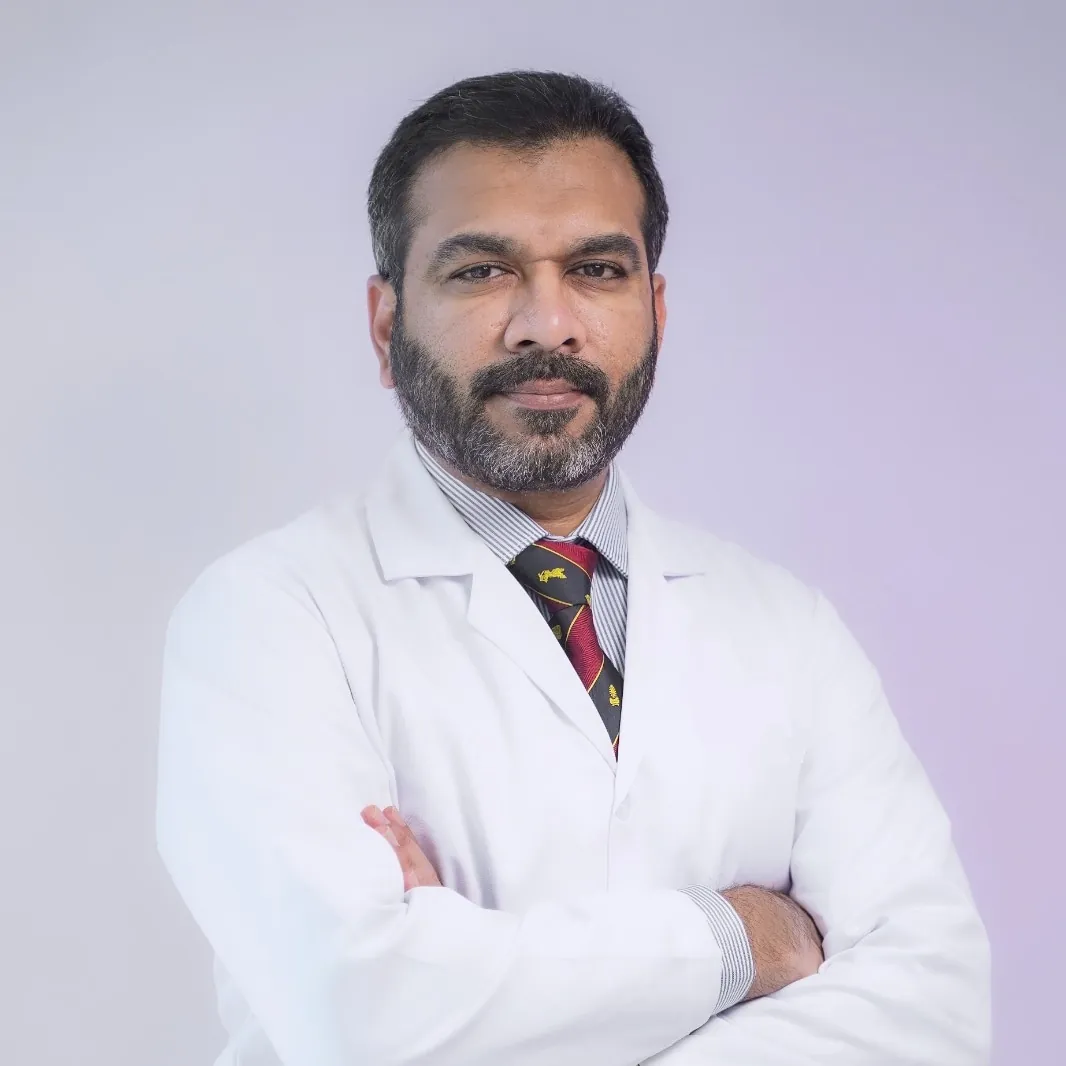
Dr. Chetan M. Dojode
FRCS (Tr&Orth) UK · FEBOT
GMC Specialist Register
Clinic Locations
OSR — OrthoSportsRobotics Clinic / Aarna Clinic, Sahakar Nagar
1182/1, 20th Main Road, A Block,
Bengaluru 560092